


The Italian city of Venice is built on a lake in which many sunken treasures have been found.
You might be interested too
[EN VIDÉO] Ancient scholars: Nigo Gallo-Roman inscriptions In Rennes, while excavating an old Galo-Roman villa, archaeologists found strange carvings. This rare testimony is nigoin. Who is behind this and why is it there? Many questions asked by Intrap (Institute for Preventive Archaeological Research) during this new episode of Past Experts.
To this day, archaeologists discuss the Roman presence in Venice, centuries ago Sink the site And Establishment of the city. The rest Archeology Although scattering and swallowing seem to confirm this theory, some writers have argued Roman ruins It came from buildings on the surrounding continent.
A Published by a team of Italian researchers Scientific reports The results of the analysis of the bottom of the Treporty canal to determine between these two theories. They used sonar to map the bottom of the lake. Remains of 16 Roman architectures, ranging in depth from 3.6 to 11.4 m, were found there.
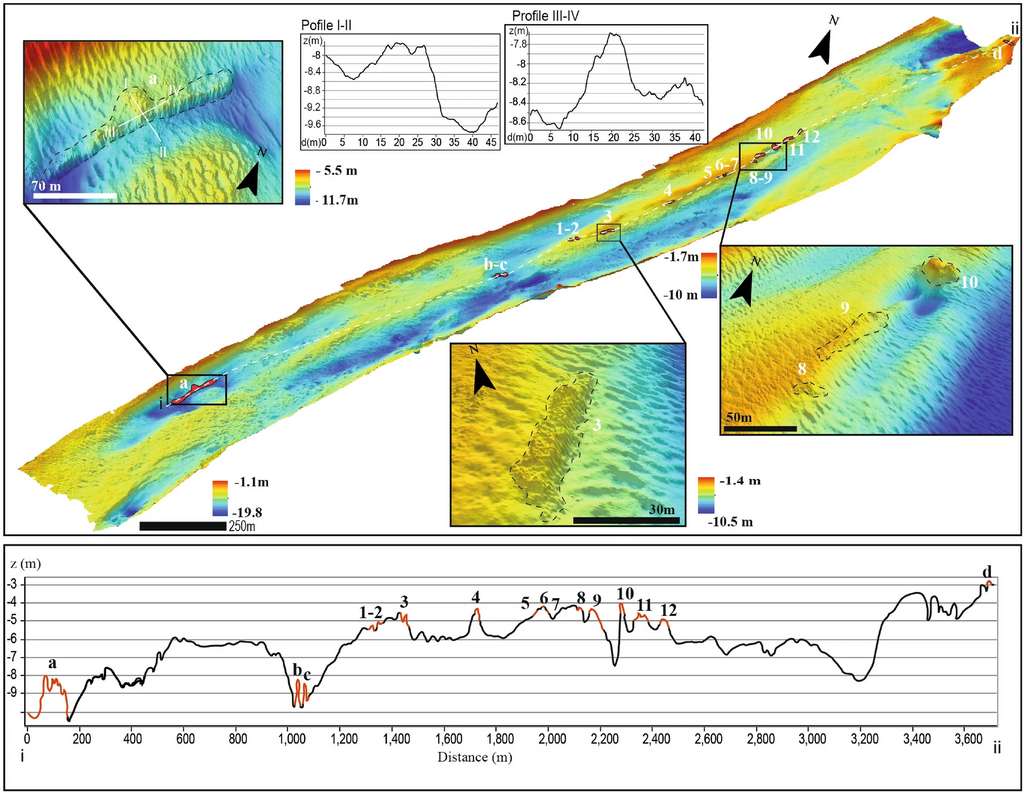
Ruins of old sidewalk
Spread over 1,140 meters in the northeast, it is the longest at 134.8 meters and covers an area of 706.6 square meters. It can be identified that some of these ruins were part of an old sidewalk that was formerly located on a sand dune. Diving Of the lake by water.
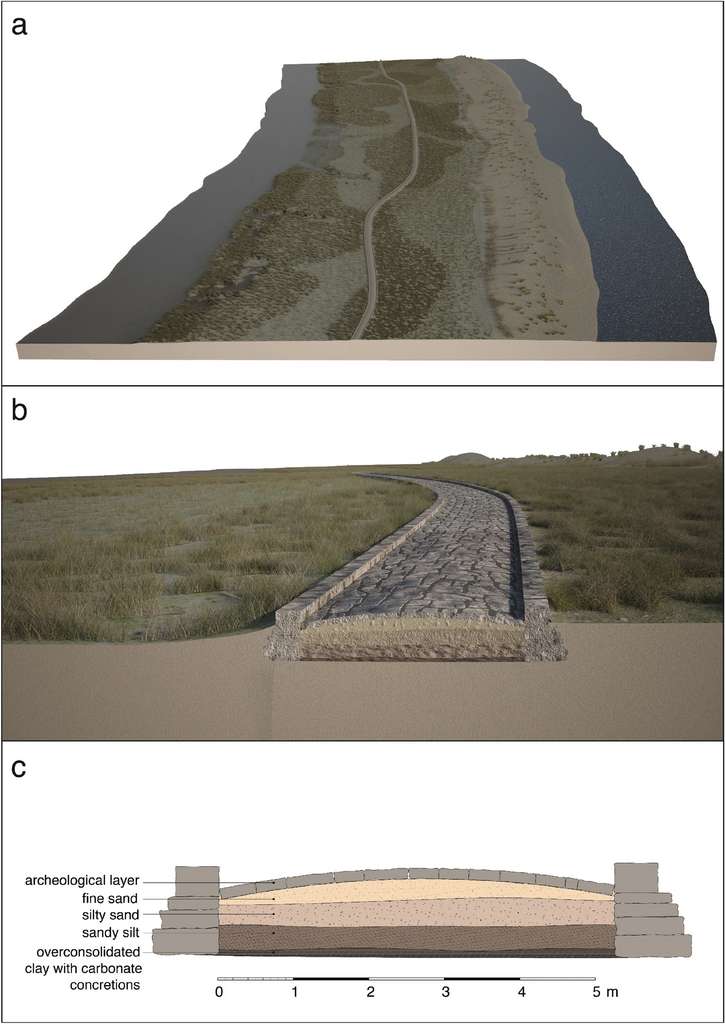
These findings allow the authors of the study to point out that the Romans now settled permanently in a place called the Venetian Lagoon. The road on the Treporti Canal was probably part of a large road network established by the Romans to connect the city of Chiogia, north of the Venetian Lagoon. It was definitely used by sailors and travelers as some of the buildings identified by the search team may have been part of a port complex.
Interested in what you just read?

Prone to fits of apathy. Unable to type with boxing gloves on. Internet advocate. Avid travel enthusiast. Entrepreneur. Music expert.