

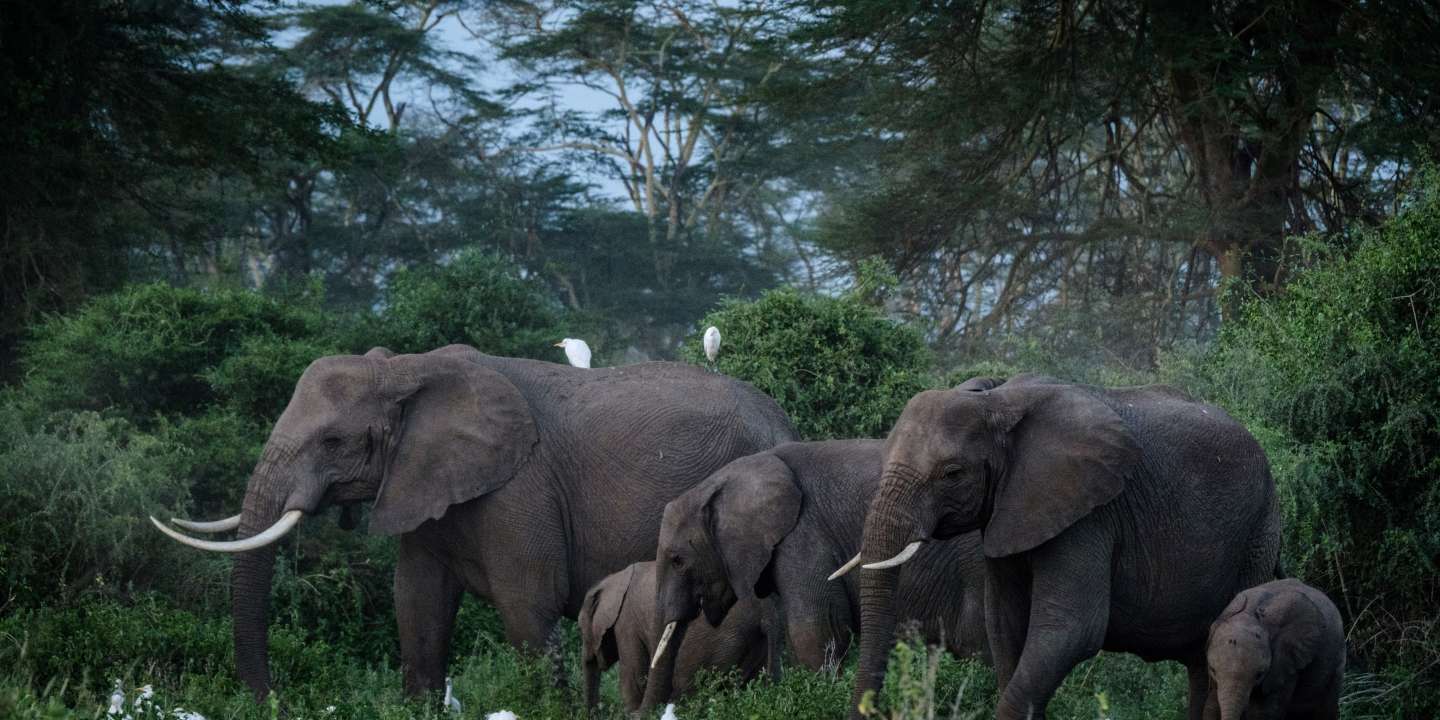
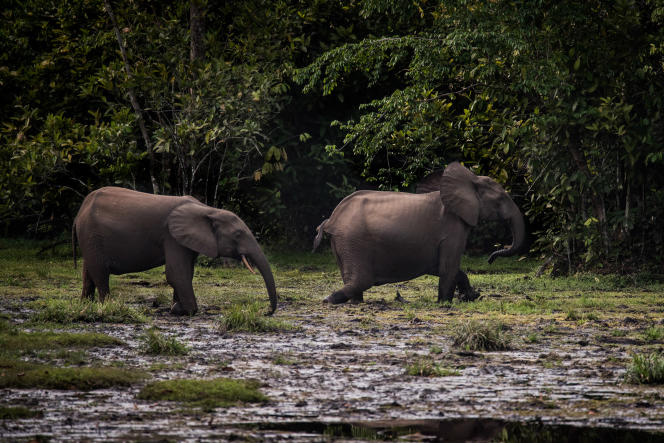
They are one of the most iconic animals on the planet and are endangered. African elephants in the savannahs and forests are still considered “vulnerable” and are considered “endangered and critically endangered.”
This classification is the result of an assessment of 495 sites spread across the African continent using data available since 1960. “We used statistical models to calculate population decline”, Kathleen Gobush, the team leader responsible for conducting this analysis, explains. The result is clear: the number of wild elephants has decreased by more than 86 percent in thirty-one years, while the number of savannah elephants has decreased by at least 60 percent in the last fifty years. In recent years. Overall, the number of individuals It is estimated at about 450,000 In 2016. “This classification in the red list is a very strong alarm signal, Says Ben Okita-uma, head of the African Elephant Specialist Group at IUCN. He tells us that elephants will become extinct in the wild if we do not change anything. This is the next step, but we do not want to get there. “
For the first time, IUCN has specially assessed forest and savannah elephants. There has long been a consensus on the morphological, biological or behavioral differences between these animals, but genetic evidence confirming that they are two different species has only been established in the last decade. The Red List is the most comprehensive list of plant and animal species in the world, classified into nine categories. It currently lists more than 134,425 species, of which 37,480 are endangered.
Awareness of many states
For African elephants, poaching is one of the main reasons for the decline. Between 2010 and 2012, the illegal ivory trade increased. After that, this phenomenon decreases. Between 2008 and 2017, there were between 1,200 and 1,400 seizures per year worldwide, representing 45 tons of ivory. Stephen Rinjet, head of the Wildlife Trade Program at the World Wide Fund for Nature (WWF), explains. These are very large volumes. “
You should read 59.51% of this article. The rest is for subscribers only.

Musicaholic. Twitter guru. Total bacon fanatic. Zombie ninja. Freelance student. Coffee fan. Gamer.