

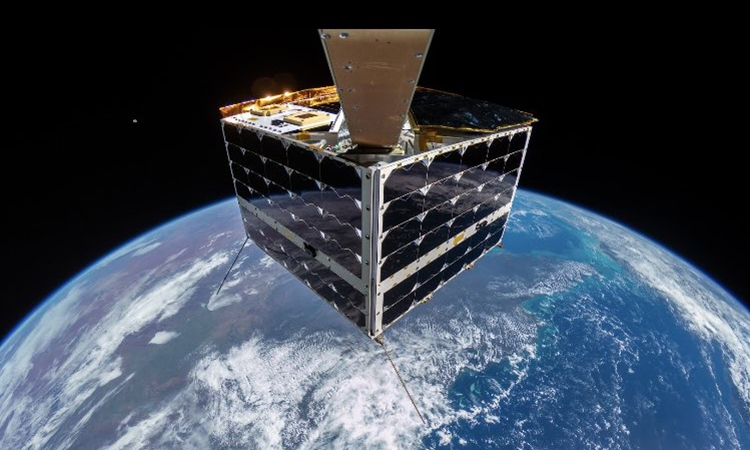
The MP42 satellite uses a selfie stick to record along the Great Barrier Reef, a 344,400 square kilometer reef off the coast of Australia.
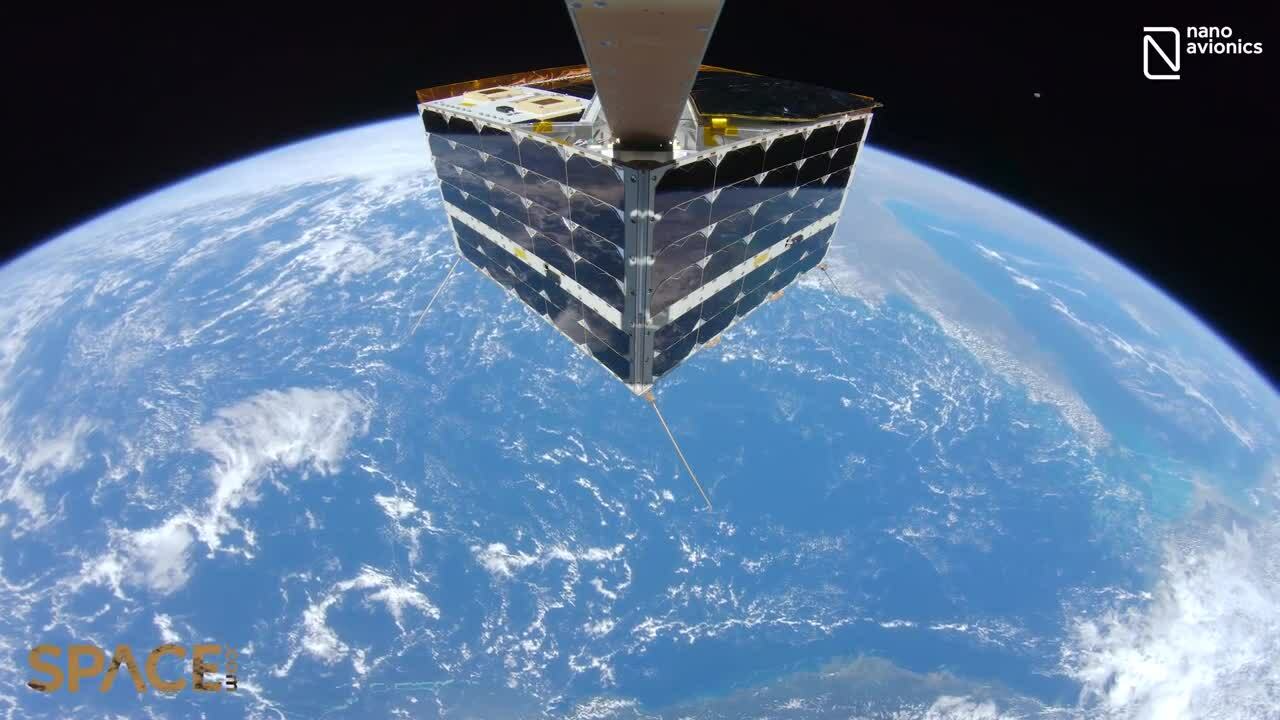
The MP42 satellite captures a selfie video over the Great Barrier Reef. Video: Nano Avionics
Nano Avionics, a US and UK satellite company, released a video with 4K resolution on June 28, showing the MP42 satellite flying 550 kilometers northeast of the Great Barrier Reef and Coral Sea in Australia. Recorded with the help of a selfie stick, the video, according to Nano Avionics, is the first to capture an entire satellite in the background of Earth.
The choice of coral reefs as a background is not random. “We want to emphasize the fragile nature of the blue planet and the importance of satellite Earth observations, especially environmental and climate change monitoring,” said Vytenis Buzas, co-founder and CEO of Nano Avionics.
According to NASA’s Jet Propulsion Laboratory (JPL), the Great Barrier Reef is the largest structure on the planet made up of life, covering an area of 344,400 square kilometers. In 2016, the agency studied the Great Barrier Reef under its “Coral Aerial” mission to provide a more comprehensive dataset of coral reef damage.
Coral reefs around the world, including the Great Barrier Reef, are showing signs of decline in the face of human-induced global warming. Coral reefs are “diminishing at an alarming rate,” JPL noted.
Besides the environmental reasons, the selfie video of nano avionics also offers technical advantages. During the recording, the MP42’s camera checked and verified the operations of a controller used to process some data in space before sending it back to Earth. This process saves time when assessing rapidly changing areas of the world.
On April 1, the Transporter-4 mission launched MP42 into orbit aboard SpaceX’s Falcon 9 rocket with about 40 small satellites. Nano Avionics predicts that live and recorded satellite footage will have more uses in the future, such as confirming operations, detecting errors, and assessing the impact of satellites.
Tu Tao (O place)

Prone to fits of apathy. Unable to type with boxing gloves on. Internet advocate. Avid travel enthusiast. Entrepreneur. Music expert.